Blog

Understanding The Tenant Lifecycle: Tips For New Landlords

The idea of being a landlord sounds easy enough:

  • Buy an investment property.
  • Find reliable tenants.
  • Sign a lease agreement.
  • Sit back and see the ROI come in.

However, the property management business is rarely this simple, and many new landlords are bewildered by all the steps needed to manage investment (or rental) properties successfully.

The standard best practices and general order of operations may seem complex until you can create a working system that works best for you. Typically, the tenant lifecycle consists of seven stages: vacancy, assessing, leasing, move-in, occupancy, ending the lease term, and move-out.
1. Vacancy

Before moving to the next step, ensure the property is cleaned and ready for someone else to live in. Get ready to list it for rent with a high-quality photo shoot. And if required, tackle any maintenance issues or repairs that need to be addressed.

At this stage, your last step is to create a rental listing. Elaborate on pricing, location, distinguishing features, the application process, community, and general lease terms.

2. Screening

Once you start scheduling the showings and considering potential tenants, be sure to give all necessary details like rental criteria, rental applications and begin processing the applications to weed out uninterested or unqualified renters from the get-go.

3. Leasing

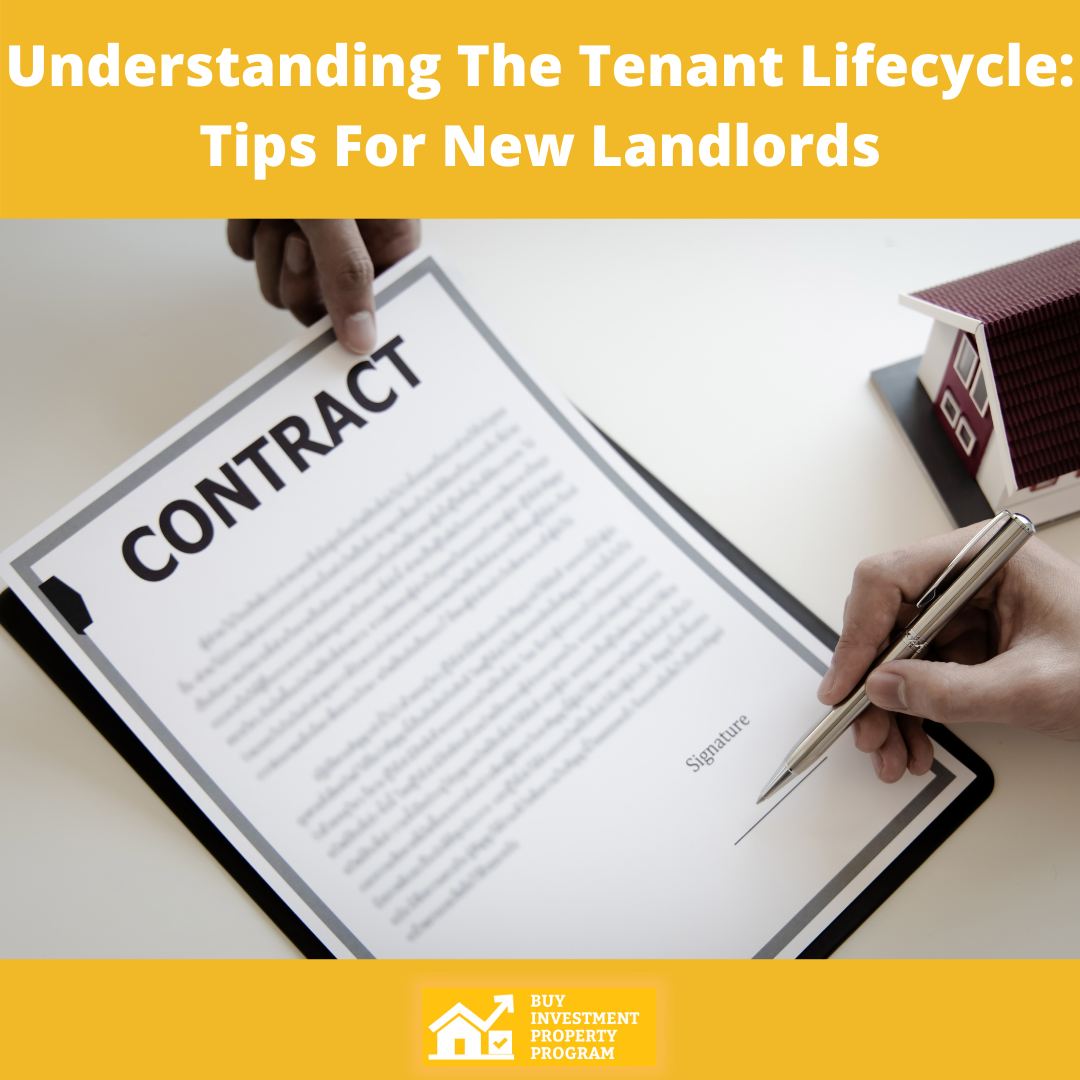
Once you have screened the most suitable applicants and selected a tenant, you will need to enter a lease agreement. This involves creating a contract, scheduling a move-in date, adding the move-in costs, and having both parties sign the finalized lease agreement.

4. Move-in

At this stage, you should have agreed to a move-in date with your renter and received all applicable fees before handing over the keys.

Consider putting together a welcome kit that contains essential information like a copy of a lease, contact information, rent payment instructions, property rules, move-in inspection paperwork and other relevant details.

5. Occupancy

Tenant turnover is one of the significant cash flow killers for rental properties. Hence, boosting the retention rate will help you in the long run. While you cannot stop tenants from moving for personal reasons like family or job relocation, you can take a few small steps to manage vacancies at a minimum.

Prioritize your landlord-renter relationships through timely responses to tenant requests and open communication. Keep your property rent at a fair market value and stay on top of maintenance.

6. Ending Lease Term

To conclude the lease contract, written communication is needed and often must follow specific regulations. And, this goes both ways. If the renter intends to move, they must give you a letter of intent, and if you are terminating the lease, you must send notice to vacate. Typically, at a specific period before the lease ends.

7. Move-out

The process of moving out is a crucial step in wrapping up “one tenant lifecycle” before you move on to another. Like move-in, provide detailed information on moving out dates, logistics, cleaning, and handing off keys.

Carry out a move-out inspection to ensure the tenant has complied with all specifications. Calculate and return any security deposits immediately.

***

Let's Talk

Book a Free Family And Lifestyle Planning Session and secure your family's financial future today!

☑ Family Budgeting

☑ Set Investment
Goals

☑ Mortgage Structuring

☑ Calculate how much you can borrow

☑ Property Sourcing

☑ RP Data Reports

☑ Property Investment Analysis

☑ Co-ordinate Process

☑ Discounted building inspection

☑ Discounted conveyancer

✓ More than 14 years of experience in finance

✓ Over $100 million in loans written

✓ Investment property specialists

✓ Panel of builders that offer fixed price, turn key packages for investors

✓ We help investors build equity and avoid over-paying tax

Property Investor Blueprint

☑ Calculate how much you can borrow

☑ Set Investment
Goals

☑ Mortgage Structuring

☑ Property Sourcing

☑ RP Data Reports

☑ Property Investment Analysis

☑ Budgeting

☑ Co-ordinate Process

☑ Discounted building inspection

☑ Discounted conveyancer